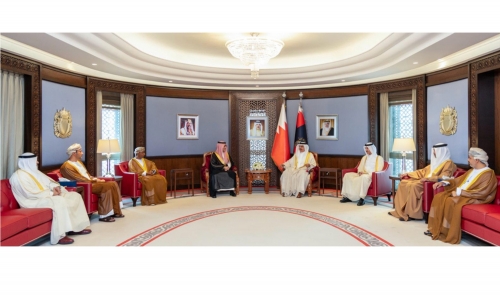
Bahrain recently hosted the 18th meeting of the GCC Customs Union Authority’s Executive Council, an important gathering that brought together representatives from all member states of the Gulf Cooperation Council. The meeting served as a key platform for in-depth discussions focused on strengthening customs cooperation and advancing regional economic integration within the GCC. During the discussions, the minister praised GCC member states for their dedicated efforts to advance the requirements of the Customs Union, aiming to bolster regional trade and economic integration. The collective commitment demonstrated by the participating nations shows the strategic importance of a unified customs framework for the prosperity and stability of the Gulf region.
Emergency Trade Mechanisms
A temporary exceptional mechanism was implemented following the closure of the Strait of Hormuz, a critical maritime chokepoint. This initiative was specifically designed to maintain trade flows and ensure the continued movement of goods during periods of significant disruption and unforeseen challenges. The mechanism was backed by rapid information sharing among member states, facilitating swift and coordinated responses to emerging situations. Its successful operation also involved harmonized procedures and unified customs efforts across the GCC, which were key for its effectiveness in mitigating trade interruptions. The introduction of such a strong framework shows the region's proactive commitment to ensuring trade continuity and resilience even under the most challenging circumstances, demonstrating a unified approach to economic security.
Future Goals and Objectives
The upcoming phase of the GCC Customs Union mandates accelerated progress and enhanced joint action to finalize its establishment and realize its stated goals. General Shaikh Rashid bin Abdullah Al Khalifa affirmed, "the next phase requires faster progress and stronger joint action to complete the establishment of the Customs Union and achieve its objectives." This vision emphasizes the need for continued collaboration and strategic planning. Customs systems are also identified as critical components for improving the efficiency of entry points across the region, streamlining processes and reducing bottlenecks. These advanced systems are expected to play a significant role in securing supply chains, ensuring the timely and safe passage of goods. They are key for protecting the security, safety, and broader economic interests of all GCC countries, showing their multi-faceted importance in regional integration efforts and contributing to overall stability and prosperity.
Ministerial Remarks
Bahrain's Interior Minister General Shaikh Rashid bin Abdullah Al Khalifa received the heads of delegations participating in the GCC Customs Union Authority’s Executive Council meeting. During the reception, the minister stressed the importance of strengthening joint customs cooperation among member states, noting its essential role in regional development. General Shaikh Rashid affirmed that "the next phase requires faster progress and stronger joint action to complete the establishment of the Customs Union and achieve its objectives." His remarks showed the strategic necessity of unified efforts to enhance regional trade facilitation and security, reinforcing the collaborative spirit of the GCC. The meeting in Bahrain focused on advancing these critical objectives, setting a clear path forward for the Customs Union's full realization and operational efficiency.
Broader Customs Impact
The temporary exceptional mechanism significantly accelerated the movement of goods and maintained the flow of essential supplies. This included critical categories such as food and medical products across the Gulf Cooperation Council (GCC) member states, ensuring vital provisions reached their destinations without undue delay. The implementation of the mechanism demonstrated the GCC's collective ability to respond effectively to emergencies, showcasing a high degree of preparedness and coordination. It also ensured the protection and continuity of trade routes and supply chains during periods of disruption, safeguarding economic stability and public welfare. This successful intervention notes the practical benefits of a unified customs approach in managing regional crises and maintaining essential services.