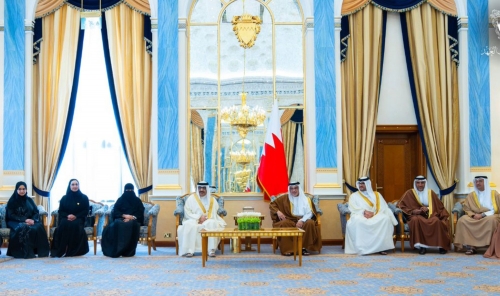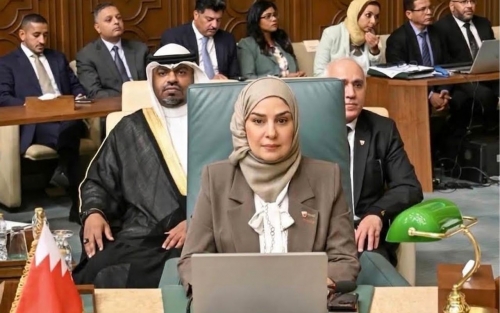
Bahrain’s delegation, headed by Ambassador to Egypt and Permanent Representative to the Arab League Fawzia Zainal, participated in the 118th ordinary session of the Arab League Economic and Social Council at ministerial level. The meeting took place at the Arab League General Secretariat headquarters in Cairo. Ambassador Zainal, who led the Kingdom’s delegation, played a prominent role in the proceedings, representing Bahrain’s interests and contributions to regional economic integration and development. Discussions focused on preparing the economic and social dossier for submission to the upcoming 35th ordinary session of the Arab League Summit. This key dossier is designed to outline key economic and social priorities and recommendations for consideration by the Arab heads of state. The summit, a significant regional gathering, is scheduled to be held in Saudi Arabia, where leaders will deliberate on the council's recommendations and set the course for future Arab economic cooperation.
Key Economic Agendas Discussed
The Arab League Economic and Social Council session addressed a full range of economic and development issues, reflecting the diverse challenges and opportunities facing the Arab world. Among the primary topics were ongoing developments related to the completion of the Greater Arab Free Trade Area. This initiative aims to foster deeper economic ties and facilitate trade among member states, and the council reviewed the progress made and obstacles encountered in its full implementation. Members also reviewed the activities undertaken by the General Secretariat during the period between the current session and the previous one, specifically examining the efforts and initiatives launched since the 117th session. These activities encompassed various projects and programs designed to advance the council's objectives. Discussions further focused on the progress being made toward establishing the Arab Customs Union, a key regional economic integration initiative intended to streamline customs procedures and enhance intra-Arab trade. The establishment of this union is seen as a vital step towards creating a more unified and competitive Arab economic bloc.
Investment developments across Arab countries formed another significant part of the agenda, with delegates examining trends, opportunities, and challenges within the region's investment landscape. The council explored strategies to attract further foreign and domestic investment, recognizing its importance for economic growth and job creation. The deliberations also extended to the critical area of economic and development diversification among member states, aiming to bolster resilience against external shocks and foster sustainable growth beyond traditional sectors. Members discussed various national strategies and regional initiatives that could support diversification efforts. Additionally, the development of public finances within Arab nations was a subject of detailed discussion, reflecting a strong focus on fiscal stability, prudent management, and the optimization of public resources to support national development goals. The council considered best practices and policy recommendations to ensure sound financial governance across the region. Bahrain's delegation to the session included Minister Plenipotentiary Abdulrahman Hassan Hashem from the Kingdom’s Permanent Mission to the Arab League, who actively participated in these extensive economic deliberations, contributing Bahrain’s perspective on these vital regional economic matters.
Broader Regional and International Cooperation
Discussions at the Arab League Economic and Social Council session also encompassed measures to support the Palestinian economy, acknowledging the ongoing challenges faced by the Palestinian people and exploring avenues for assistance and development. Efforts to strengthen Arab-international cooperation were addressed, focusing on enhancing partnerships with global organizations and countries to achieve shared development objectives. This included exploring mechanisms for joint projects and diplomatic coordination on economic matters. Alongside these, support for sustainable development initiatives was a prominent theme, with delegates emphasizing the importance of environmental protection and resource management for future generations. Arab initiatives related to sustainable and green financing policies were a specific point of focus for the council, as member states look to align their financial strategies with global sustainability goals. This involved discussions on innovative financing mechanisms and investment in green technologies. Digital transformation was another key topic examined during the session, reflecting a broader regional focus on technological advancement and its potential to drive economic growth, improve public services, and enhance competitiveness across various sectors. The council considered strategies for accelerating digital adoption and fostering a strong digital economy.
Delegates considered initiatives aimed at developing the Arab Guiding Framework for Skills, emphasizing the importance of human capital development and equipping the Arab workforce with the competencies needed for future economies. This framework seeks to standardize and enhance vocational training and educational programs across the region. The council further discussed the unified Arab statement intended for the 2026 Annual Meetings of the International Monetary Fund and World Bank, noting a coordinated approach to engaging with global financial institutions and advocating for Arab economic interests on the international stage. This statement aims to present a united front on key financial and economic policies. Promoting the economic empowerment of beneficiaries of social protection programmes was also a significant agenda item, with discussions focusing on strategies to integrate vulnerable populations into the economic mainstream and ensure inclusive growth. This included exploring vocational training, microfinance, and employment support initiatives. Bahrain’s delegation to the session included Abdullah Abdulhamid Al Aradi, Head of the Arab and Islamic Countries Relations Section at the Ministry of Finance and National Economy, who participated in these discussions covering regional and international economic cooperation, offering insights from Bahrain's experience in these areas.
Review of Ministerial Decisions and Reports
The council reviewed follow-up actions regarding the implementation of decisions adopted during its 117th session, held previously. This review ensured accountability and tracked the progress made on previously agreed-upon resolutions and recommendations. Discussions also encompassed periodic reports submitted by various specialized Arab organizations, which provided updates on their activities, achievements, and challenges in their respective fields. These reports are key for maintaining oversight and coordination among the diverse bodies operating under the Arab League umbrella. The session included a review of reports and decisions issued by several Arab ministerial councils and specialized committees, demonstrating the interconnectedness of various sectoral policies within the Arab League framework. Among these, reports and decisions from the Council of Arab Health Ministers were specifically mentioned, noting regional cooperation on public health challenges and initiatives. Additionally, reports and decisions from the Arab Women Committee were reviewed, showing the council's commitment to advancing women's empowerment and gender equality in economic and social development across the Arab states. This full review process ensures that the council's work is informed by the broader activities and outcomes of the Arab League's specialized bodies.