Iranian lawmaker and former foreign minister Manuchehr Mottaki confirmed that the parliament has suspended open floor sessions during the war, though committee meetings remain in operation. Security concerns prompted the shift in legislative procedure, with officials citing specific assassination threats as the primary reason for closing the chamber to the public.
The suspension of open floor sessions in the Iranian parliament was due to assassination threats. This decision represents a significant departure from the standard legislative operations typically conducted within the main chamber. Parliamentary activities have transitioned to private committee settings to maintain government function while responding to the identified security risks. Manuchehr Mottaki provided these details regarding the ongoing adjustments to the legislative schedule, which coincide with broader disruptions to official proceedings.
The transition to a closed-door environment is intended to safeguard members of the legislative body while ensuring that the essential business of the state continues. Despite the closure of the main hall to the public and the media, the committees are tasked with reviewing pending legislation and addressing urgent administrative matters. These committee meetings are currently serving as the primary venue for parliamentary work, allowing representatives to deliberate on policy without the visibility associated with open floor sessions.
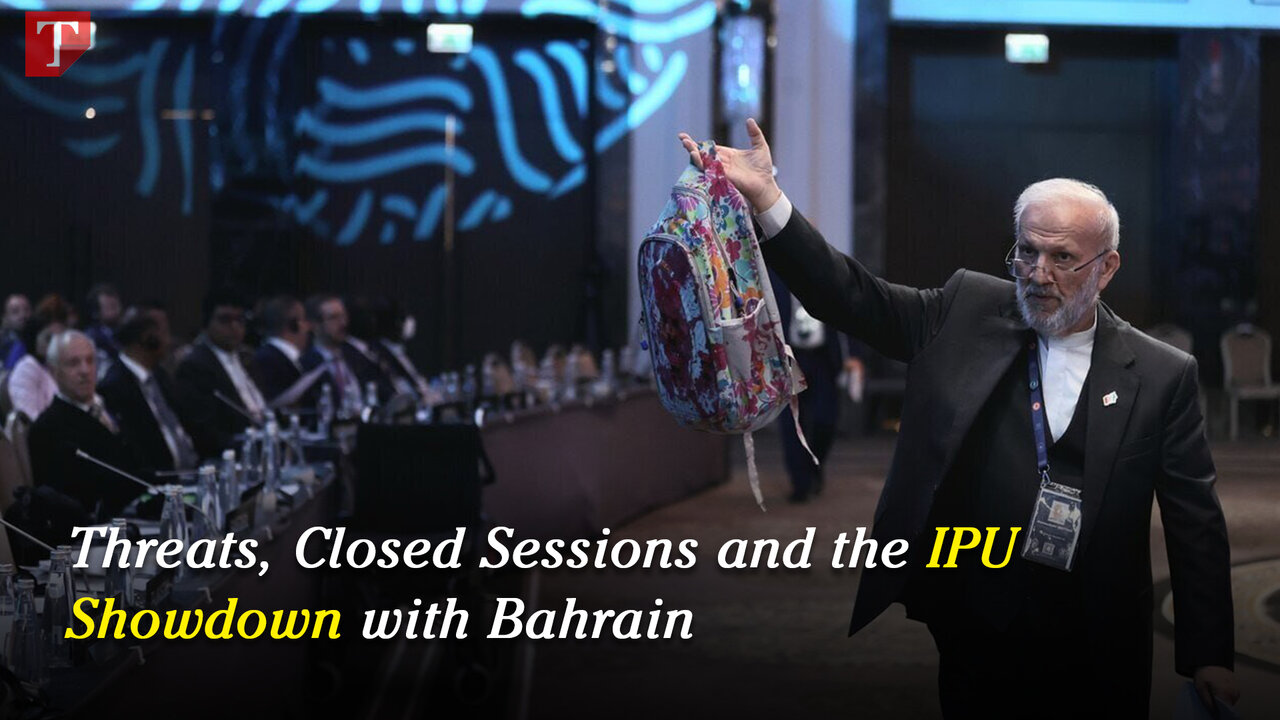
Beyond domestic concerns, Iranian representatives have engaged in diplomatic disputes on the international stage. An Iranian delegation clashed with officials from Bahrain over competing texts at Inter-Parliamentary Union assemblies held in Istanbul and Arusha. These parliamentary meetings served as the venue for the disagreements, which centered on conflicting documentation presented by the two delegations.
The friction between the Iranian delegation and the representatives from Bahrain notes the intense nature of the debates occurring within the Inter-Parliamentary Union. At the assembly in Istanbul, the two sides presented competing texts that outlined their respective positions, leading to a direct confrontation between the delegations. This pattern of disagreement repeated itself during the subsequent assembly held in Arusha. In both instances, the dispute focused on the specific language and the legal implications of the documents submitted for consideration by the international body.
The persistent nature of these clashes at the Inter-Parliamentary Union reflects the broader challenges faced by the Iranian delegation when navigating multilateral forums. By engaging in these disputes in Istanbul and Arusha, the members of the Iranian parliament have sought to assert their legislative priorities despite opposition from Bahrain. The reliance on competing texts as a tool for diplomatic maneuvering shows how parliamentary documentation has become a focal point of international friction. As the Iranian parliament continues to operate under modified procedures, these external diplomatic activities remain a prominent feature of their current engagement with global institutions. The shift from open floor sessions to committee work at home is now being balanced against these high-stakes interactions at international assemblies.